The biggest mistake language learners make is not mastering pronunciation from the outset, which delays progress and makes achieving native-level pronunciation much harder; learners should mimic native speakers by slowing down speech to 50%, recording themselves, and comparing their pronunciation to native speakers to develop accurate intonation and sound patterns early in their learning journey.
拡張機能をインストールして、あらゆる動画内を即座に検索しましょう
The biggest mistake language learners make and how to fix itインデックス作成:
A lot of people don’t focus enough on pronunciation from the outset. This makes them seem less fluent than they truly are.
I learned Mandarin fluently. I'm able to use it completely in my daily life. I've achieved basically advanced proficiency.
However, there was a big thing that I did that really delayed my progress. And it's, in my opinion, the biggest mistake you can make as a language learner.
That mistake is not mastering the pronunciation from the beginning.
Mandarin Chinese has five tones if you include the neutral tone.
And from the beginning, I do not believe that I mastered the tones to a high enough degree. This can be carried over into other languages as well, just pronunciation in general.
But, what ended up happening is I had to take a lot of time when I was in the intermediate stage to go back and relearn the tones and make sure that all of the words I was learning, I knew the correct tones that go along with them.
No matter what language you're learning, it is critical. It's of the utmost importance that from the very beginning, you master the pronunciation. Because the amount of time you're going to waste going back and trying to relearn all of the tones or relearn the pronunciation is harder, and attaining a native pronunciation will be much harder.
So, what would I recommend everyone who's trying to learn a language do?
What I would recommend is you mimic native speakers. You need to be finding native-level pronunciation and mimicking it as best as you can. Mimicking it.
That way, you can make the intonation, make your annunciation sound as close to native speakers as possible.
But, what happens when you're a beginner, is you're not able to keep up with what they're saying. You're not able to hear all the small sounds within a sentence. You're not able to differentiate the sounds because it is a foreign language and you might not be used to those sounds.
Ultimately, what you need to do is find a way to slow down the speech. On YouTube, there's the little gear bar.
I'm sure many of you use it watching my videos to speed it up and get the video done quicker.
But, what you should do is do it the opposite way. You should make your native or the target language speech, you should slow it down to like 50%.
That way, when you're listening, you can hear all the little granular details of the pronunciation and then yourself practice saying it as close as possible to the native speaker.
Then, what you're going to do is you're going to record yourself speaking mimicking the native speaker as closely as possible and then comparing how you said it to how the native speaker said it.
After you compare over and over and over, you will still notice some small differences in how you pronounce the words. Also, talking to a native speaker, if you have a friend who speaks the language, would also be beneficial because they can help you to notice what is different and how to move your mouth in the proper way to make those sounds.
After doing that enough, you will get your pronunciation as close to the native speaker as possible, which will allow you then to pronounce the language much closer to how native speakers do.
Pronunciation is the type of thing that it's pretty much removed from your language progression. You can be a beginner in a language and have perfect pronunciation. You could be a beginner in terms of the words you know, the grammar. You could also be very advanced and still not pronounce the words properly. You could your listening be perfect. You could have your output be flawless grammatically grammatically, but when you speak, native language native speakers still think that what you're saying does not sound native.
They understand it. They understand the They comprehend the words you're saying, but it just doesn't sound native to them, and they can tell you're a foreigner. So, someone who's a beginner and says basic sentences with flawless pronunciation sometimes might sound more native to a native speaker's ears than someone who's super advanced using complex words, complex grammar, making nuanced statements, speaking really eloquently besides their pronunciation.
People who just speak basic language, but pronounce it better, might seem more native to a person who speaks the language natively. So, that is my advice to you is really hone in on the pronunciation of your target language as early as possible.
関連おすすめ

YOU STILL CAN'T SPEAK SPANISH
plasticxinheart
126 views•2026-05-16
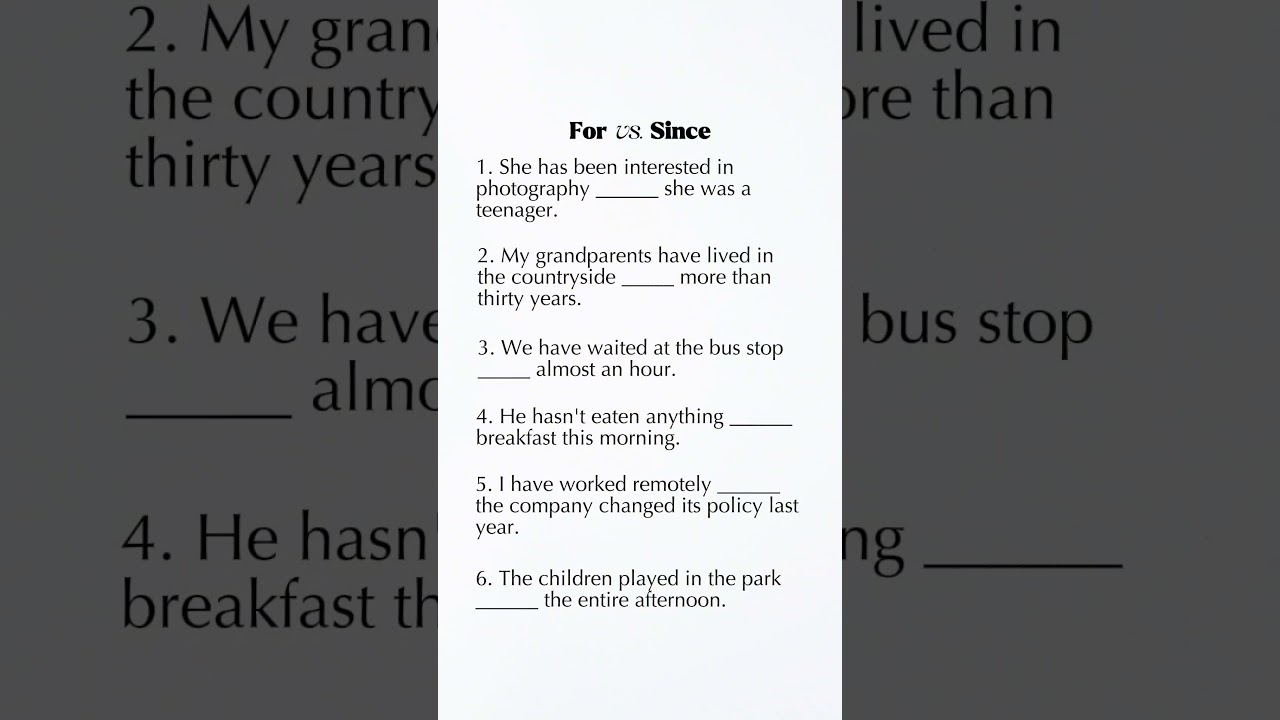
For vs Since Explained | English Grammar Quiz | Stop This Common Mistake Fast | Learn Now!
speakenglishwithjoe2023
401 views•2026-05-18

You Only Need 5 Tenses to Speak English Confidently, Not 12! | Inspired by Jack Ma
SlowEnglishVN
4K views•2026-05-19

Words from Indian languages borrowed in ENGLISH| Make Your Vocabulary Advanced with Prof. Sumita Roy
SumitaRoysEnglishclassroom
320 views•2026-05-17

Learn ABCD Alphabet Song A to Z | Phonics for Kids | A for Apple | English Varnamala | अ से अनार
rajrb3586
195 views•2026-05-16

#LearnEnglish with Sabrina Carpenter ✨
LearnEnglishWithTVSeries
13K views•2026-05-19

“Use of ‘THAT'S WHY’ | Speak English Like a Pro” #englishgrammar #spokenenglish #learnenglish
YOURENGLISH-2M
108 views•2026-05-17

How to use the subjunctive in Spanish #learnspanish
LearnSpanishBabbel
2K views•2026-05-17


