'For today' is a Jamaican greeting that means 'What are we going to do today?' or 'What's the plan for today?' It is used to start a conversation with a friend and inquire about their plans or activities for the day.
Install our extension to search inside any video instantly.
Stop Saying Wah Gwaan🇯🇲Indexed:
Everyone knows Wah Gwaan — but did you know Jamaicans have so many more ways to greet each other? 😂🇯🇲 In this video I’m sharing 10 Jamaican greetings that locals actually use every day that you probably never heard before! Whether you’re learning Jamaican Patois or you’re just a Jamaican who wants to level up your greetings — this one is for you! Drop your favourite Jamaican greeting in the comments — let me see what you’ve got! 👇 🔔 Subscribe to Nioka’s World for weekly Jamaican culture, Patois lessons and life between Jamaica and Canada!
Let's upgrade your Jamaican greeting game real quick because really wagwan is just the basics. I mean, don't get me wrong, wagwan is really good. I use wagwan on a daily basis. That's my regular greeting that I use every day.
But there's other Jamaican words and phrases that you can use to greet people. So, I'm going to show you what they are. I'm going to explain what they mean. So, let's get straight into the video. So, the first one is and this one means what are you on? But it don't really mean it doesn't really make sense in English. But in PWA when we say it's a form of greeting. It's like you're trying to start a conversation with your friend. Like you're trying to make a plan for today.
So when I see my friend and I said for today it basically mean what are we going to do today? What's the plan for today? What's going to happen today?
That's basically what it means. Next one is you're good. Your good means, are you okay? Are you good? That's what your good is. But most of more than likely when you use your good, it's like, you know, like you just really want to know if the person is doing okay or something like that. So you say you're good. Yeah, I like this greeting. You're good. Yeah, man. And more than likely, they'll say, "Yeah, man. We're good."
That's always the answer. Every time when I say you're good, people always say, "Yeah, I'm good." They never really say I'm bad, you know.
Now, where deal with is kind of like where you because when I use where you deal with, it's basically meaning like I'm trying to like start a conversation with my friend or I'm trying to make some type of plan with my friend. So, I'm going to say where you deal with like where you deal with man like where you deal with for today like I'm I'm I'm ready for business. We're ready to make a plan. We're ready to do something you know. Somebody say what I deal with.
Yeah. Next one is yo. Yo. Now with yo, you have to be careful because yo can come off as disrespectful. So when you use yo, it has to be with a friend or somebody who you're close to. But if you're going to use yo to somebody who you respect or trying to show some type of respect to, then I wouldn't recommend this greeting to greet in that in that case. Right? So yao can come off as disrespectful. So you just have to be careful how you use it. Now when you use yao, it's mostly when you're dealing with a very close friend. Now it wouldn't come off as disrespectful, but if you're talking to somebody who you're trying to show respect to, yo would not be the best greeting in this case. Okay.
Yo is just like, "Hey."
Yeah. Yo is like, "Hey."
Yeah, that's what it is. Like yo, my brother, what going on? you know that's how we would use it or yo you good you know so yo can be used with other greetings too so like how we say yo you're good or yoan but you just use that with a close friend all right yeah so the next one is morning so instead of saying good morning we would say morning or if it's night time we say night and if it's afternoon or evening we say evening instead of saying good evening or good night We just remove the good and just say morning, evening, night.
That's basically self-explanatory.
It's good morning, good evening, good afternoon, good night. All right. The next one is want. Want basically means what happened or what is happening.
That's what want is. When I use want, it's more like if somebody is going through something, maybe something emotional, they feel some type of way, you know, I'll I'll greet them like want your face why your face look like that want. Talk to me, you know, like that's how I would use want. But want is like what's happening or what happened type of thing. Yeah, that's another great greeting, too. This one is one of my favorite ones. So, you get rich and switch. You get rich and switch. When I use you get rich and switch, I basically mean I usually use this to like my friends or people that I'm close to. So, when when a Jamaicans say you get rich and switch, it means like say something happened to you like maybe you move from the community or you go abroad to live or something nice happened to you in your life. So you haven't communicated to this with this person in a in a long while. So because something good happened to you, they're like, "Oh, you get rich and switch." So basically, they're trying to say, "Oh, because this thing happened to you now, you forgot about me. Oh, you're going to foreign now. Oh, you Sorry, I'm saying it in PWA." So in English we um it would mean like um oh, so you move abroad now, so you forgot about me. So you got rich and you switch up on me. That's basically what it means. But it's not necessarily used as a bad thing. Some people might use it as a bad thing. Like when they're talking bad about somebody, they would say like, "Oh, to tease my friend or one of my loved ones and I'm like, "Oh, you get rich and switch."
You know, like just a fun teasing way.
Another one is a long time a long time a long time a means I haven't seen you in a long time. That's basically what it means. So when you haven't seen your friend in a while, you're like a long time a good Yeah.
This one I use a lot too. You dash me away. You dash me away. You dash me away and you get rich and switch is kind of in the same category. So when I say you dash me away, it's like you throw me away. So I haven't heard from you in a while. So if you look at it, you dash me away, you get rich and switch and me in a long time is basically in the same category, but it's just how you want it to sound. That's how you're going to choose which one you want to use. So your dash meway is like when you haven't seen your friend in a while and you're like you forget about me now. So you have new friends. H you have new friends. So you dash my way. So that's a good one to use in a playful teasing way. So it it doesn't come off like disrespectful or anything like that. But of course people can use it in a disrespectful way if they want to. But if you say that right off the bat, then people wouldn't take it as a disrespect.
um comparing to a word like yo, you know. So yeah, this other one is kind of like a old school one. I haven't used this one in a minute, but this one is a me and you sleep last night.
When a person see you and the first thing they say to you is a me and you sleep last night is basically mean like you're rude because you didn't say good morning to me. You didn't greet me. You you just act like I'm not here. So it must be because we slept together last night. That's the reason why you don't have to say good morning. So it's like a old old a old greeting type of thing. Um I haven't used it in a minute in a in a few years. I haven't used that. But like when we were younger my mom would say that because like we wake up in the morning and if we have to say good morning to our mother or auntie or whoever the elder is, right? So as a form of respect. So if you say good morning to them, if you don't say good morning to them, they'll ask you like, "Wait a last night. How come you didn't greet me?" Yeah. So because they make it seem like if you and the person were sleeping in the same room or in the same bed, then you don't have to say good morning. You get what I'm saying? But because you now see the person, you have to greet them. So they're like, "I mean, you sleep last night, so you greet me."
You understand what I'm trying to say?
Yeah. So those are my 10 um Jamaican greetings that you can use instead of saying wagwan. So just up your pwa game with these words. Try to see which one you like better. Try to see which one you can pronounce better and you know learn them little by little. You can always come back to the video to rewatch to make sure you're getting the pronunciation right and stuff like that.
All right, but big up on yourself and thank you so much for watching today.
Um, my name is Naoka and this is Naoka's world. I hope you enjoy this video today and I have many more PWA videos coming your way. So, just click that notification bell so that you are notified every time I post another video. Please remember to share this video to a friend who will find this video, you know, entertaining and or find some type of value in this video.
All right, guys. Big up on yourself and catch you in the next video. All right, bye.
THING SING OH.
Related Videos

YOU STILL CAN'T SPEAK SPANISH
plasticxinheart
126 views•2026-05-16
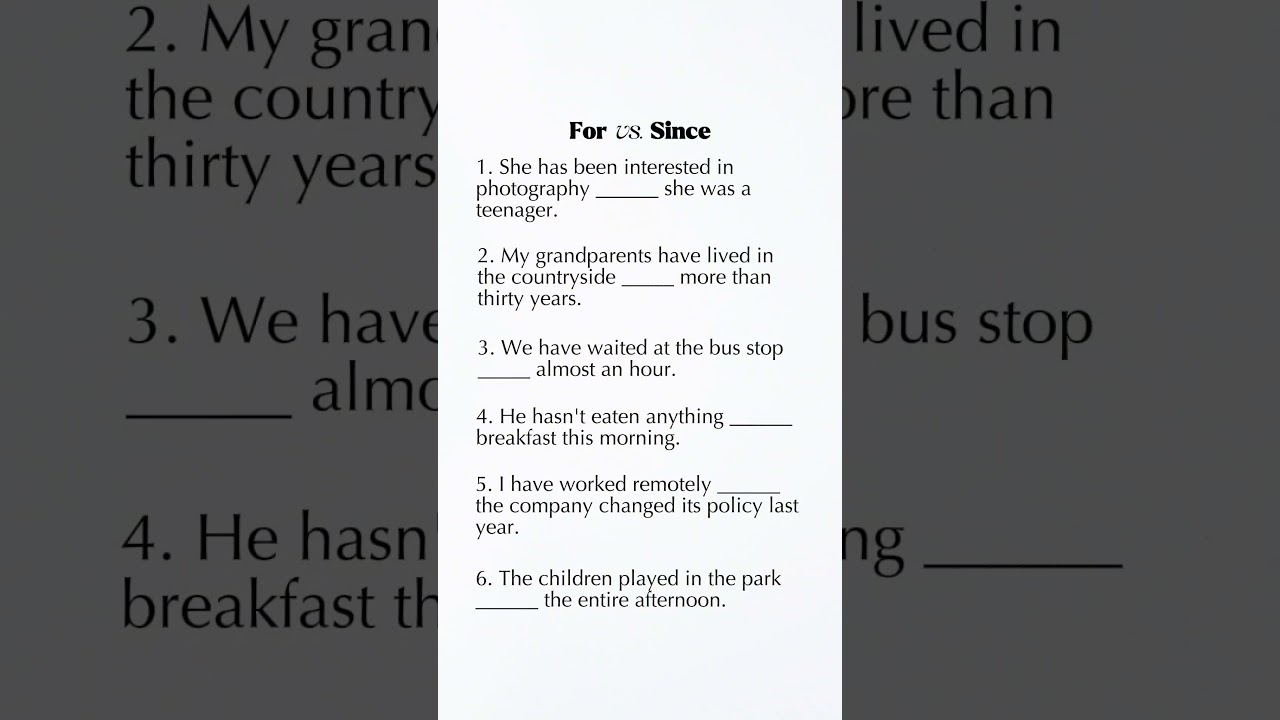
For vs Since Explained | English Grammar Quiz | Stop This Common Mistake Fast | Learn Now!
speakenglishwithjoe2023
401 views•2026-05-18

Near, Close to, Next to, Beside, Nearby & Close by in English
EnglishEvolution
7K views•2026-05-15
You Only Need 5 Tenses to Speak English Confidently, Not 12! | Inspired by Jack Ma
SlowEnglishVN
4K views•2026-05-19

Words from Indian languages borrowed in ENGLISH| Make Your Vocabulary Advanced with Prof. Sumita Roy
SumitaRoysEnglishclassroom
320 views•2026-05-17

Learn ABCD Alphabet Song A to Z | Phonics for Kids | A for Apple | English Varnamala | अ से अनार
rajrb3586
195 views•2026-05-16

#LearnEnglish with Sabrina Carpenter ✨
LearnEnglishWithTVSeries
13K views•2026-05-19

“Use of ‘THAT'S WHY’ | Speak English Like a Pro” #englishgrammar #spokenenglish #learnenglish
YOURENGLISH-2M
108 views•2026-05-17


