Blue light in displays does not originate from the LCD panel itself, which only controls light transmission; instead, it comes from LED backlight chips that emit blue light first, which is then converted by phosphor coatings into white light. This same principle applies to household lighting, monitors, and TVs. While low blue light technology can reduce high-energy blue light, healthy viewing habits such as avoiding late-night phone use, maintaining proper viewing distance, and limiting prolonged close-up screen time are more important for eye protection.
拡張機能をインストールして、あらゆる動画内を即座に検索しましょう
Where Does Blue Light Actually Come From in Displays? #displayインデックス作成:
Most people think the LCD panel itself produces blue light — but that’s not actually how displays work. In this video, we take apart a display and explain: How LCDs really work Where blue light is generated Why LED backlights matter The truth about “low blue light” displays Why viewing habits are more important than marketing claims From an actual touch display manufacturer’s perspective. FANNAL | Customized Touch Display Solutions #Display #LCD #TouchScreen #BlueLight #LowBlueLight #LED #DisplayTechnology #IndustrialDisplay #TouchDisplay #ScreenTechnology #Engineering #TechExplained #LCDDisplay #Backlight #FANNAL
Most display manufacturers today talk about low blue light screens, but as someone working in the display industry, I want to explain where blue light actually comes from. First, let's take a display apart. This part here is the LCD layer. The LCD itself does not produce light. It only controls light passing through it. You can think of it like a curtain controlling how much light goes through. So, the LCD itself is not the source of blue light. The real light source is the backlight system. Inside the backlight, we have LED light bars.
The LED chips underneath actually emit blue light first. Then, the phosphor coating on top converts part of that blue light into other colors. When those colors mix together, our eyes see it as white light. So, in reality, most white LED light sources around us are based on this principle, not only display screens, but also household lighting, monitors, TVs, and many electronic devices. That's why when we talk about protecting our eyes, the most important thing is not only the display specification itself. Good usage habits matter even more. For example, don't use your phone too late at night, keep a proper viewing distance, reduce long periods of close-up screen time, especially for children. Low blue light technology can help reduce part of the high-energy blue light spectrum, but healthy viewing habits are still the key. At Fenal, we focus on customized touch display solutions, but we also enjoy sharing the real engineering principles behind displays and touch screens. If you're interested in the display industry, feel free to follow us.
関連おすすめ

11th Class Physics Chapter 7 | Beats (7.9) | 11th Class Physics New Book 2025
ilmkidunyaofficial
177 views•2026-05-16

Will NASA’s Nuclear Rocket Make it to Mars?
kylehill
4K views•2026-05-16
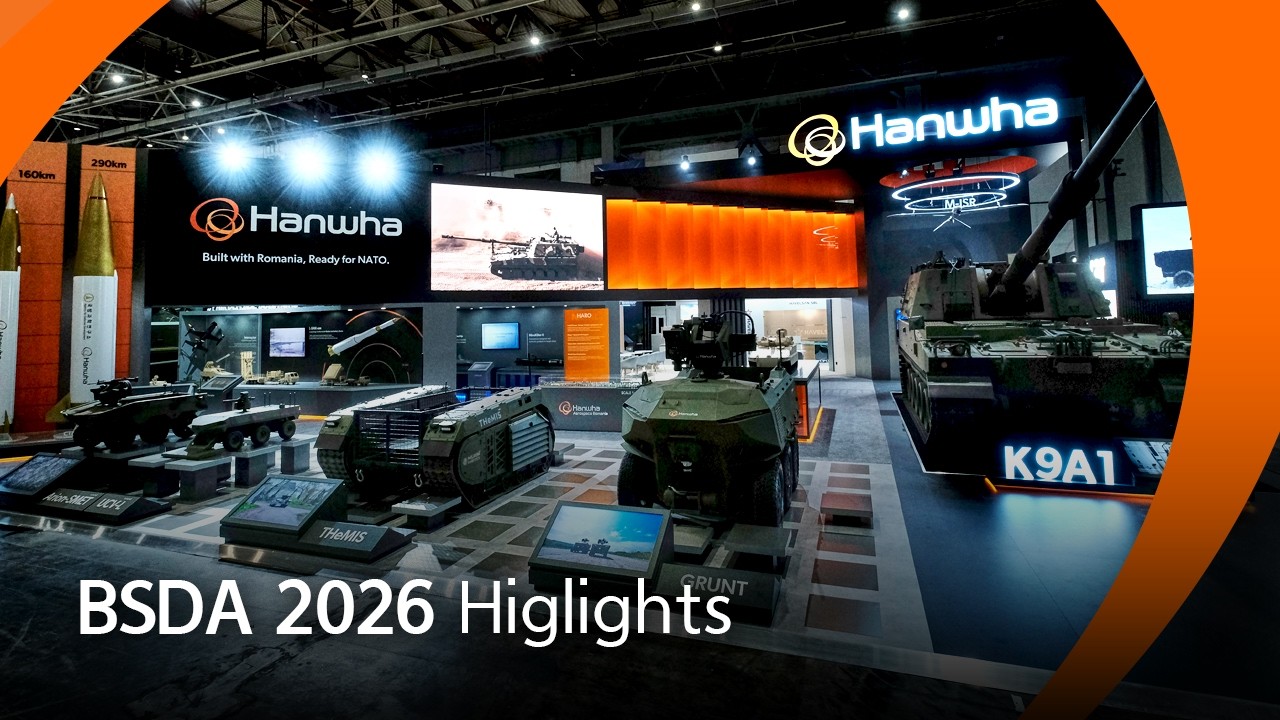
BSDA 2026 Highlights
Hanwhaaerospace_global
347 views•2026-05-15

What Is The Event Horizon? The Boundary Of A Black Hole
cosmicearth-1
232 views•2026-05-16

Let's Explore A Dangerous Radioactive Uranium Mine
WastelandByWednesday
2K views•2026-05-21

All 8 Billion Humans Would Fit Inside a Sugar Cube — Here's Why
InterestingButSimple
2K views•2026-05-20

Tracking rain across Indiana, especially south and east of Indianapolis | Wednesday Rain Zones
WTHR13News
3K views•2026-05-20

Motion in a straight line/Grade-11/Physics
studentthebrand
642 views•2026-05-15


