The tariff refund process involves the government returning money to companies that paid tariffs on imported goods. According to Wall Street estimates, approximately $14 billion has already been paid out to companies in tariff refunds. This process is happening faster than many expected, with some money already flowing to corporations.
Install our extension to search inside any video instantly.
Trump said he’d ‘remember’ companies that didn’t apply for tariff refunds. Many of them are anywayIndexed:
CNBC's Megan Cassella joins 'Squawk Box' with the latest news.
Several major companies are applying for tariff refunds and billions of dollars have already been paid out to corporations. Making Cassella joins us right now with more. I didn't realize they were already paying out.
>> Absolutely. This money is coming a lot faster than really anybody expected.
They got this process set up and some of the money is already flowing. It's about $14 billion that's so far been paid out to companies in tariff refunds. That's according to the latest Wall Street estimates and we are starting to see now some companies talking about the money that they're getting and what they're doing with it.
So this topic as you guys know, it's been something of a political minefield for companies. President Trump said on this show last month that he would remember who decided not to seek refunds. So I have been told that those comments did initially give some companies a little bit of pause. of trying to figure out what exactly he meant by that, but many of the biggest firms have been applying anyway. So these are some of the biggest public companies that have said in earnings calls they're applying for the refunds.
We can pull this chart up here. Walmart was the most recent example with the company CFO saying on CNBC yesterday they'd be using any refund money to invest in prices for for customers to bring prices down. Apple another big name here. Tim Cook said refunds would be reinvested into US innovation and manufacturing, but others you can see on there. Target, Home Depot, Mattel, General Motors. The whole list there.
Ultimately this is a balancing act for companies. They don't want to anger the White House on one hand, but they do have a responsibility to shareholders and consumers on the other. So that's leading many of them to apply even if in some cases they are not exactly eager to talk about it.
>> I mean it's a fiduciary responsibility.
That's what I would see first and foremost. I mean you're you'd open yourself to shareholder lawsuits if you left billions of dollars on the table because the billions of dollars aren't yours. Yep. They're the shareholders money to figure out what to do with all of those.
>> Yes. Ultimately as one lobbyist put it to me, it's a business decision. So they're looking at this and yes, they're hearing from the White House, but they feel like you know, one person told me there's in this environment so many things they could do with that money.
They say every little bit helps and the tariff story isn't over as you guys know too. So, they they not only don't know they don't know exactly what their refund is going to look like, they also don't know how much they're going to have to keep paying. The shareholder lawsuits, the class action lawsuits from customers are another side of this. So, all of that combined with what you're hearing from the White House >> Strength in numbers. If it was two, I'd be like >> [laughter] >> Yes. It's a wildebeest thing, remember?
We've had a CEO about stepping into certain cultures and he goes, "I like to be the wildebeest, you know, there's a big herd." If you're like in the middle, if the lion is probably not going to be the one that um these are some big names. At this point, you're almost there, I think, where the next one and one more person >> you leave yourself out there for shareholder lawsuits if you don't do it.
I think the smart [clears throat] move though is to do exactly what Walmart did, to say we're we're going to be lowering prices as a result and passing it on to consumers. Possible deniability to tell Trump when he sees you somewhere, exactly.
>> that's what's going to be really interesting is what this money is being put towards and how open they're talking about it. Walmart's talking about prices, Apple's saying it's all about US manufacturing, something of course the White House wants to see. He also emphasized it would be on top of any investments they've already announced.
Uh are we going to see, you know, customers or companies say we're doing a site-wide sale because we got a tariff refund? You know, I've talked to folks who say they're advising companies to think about how they're doing this, to be responsible not only to the political dynamic, or to be sensitive to it, but also to what the shareholders
Related Videos

BITCOIN BREAKS $80,000! The Next Stop is $100K? - Matt Hougan
digitalcoin622
195 views•2026-05-15

Brooklyn Nets Draft Talk + Future of the Franchise | Inside the NBA Agency World ft. BJ Bass
TheBrooklyn_Boys
679 views•2026-05-17
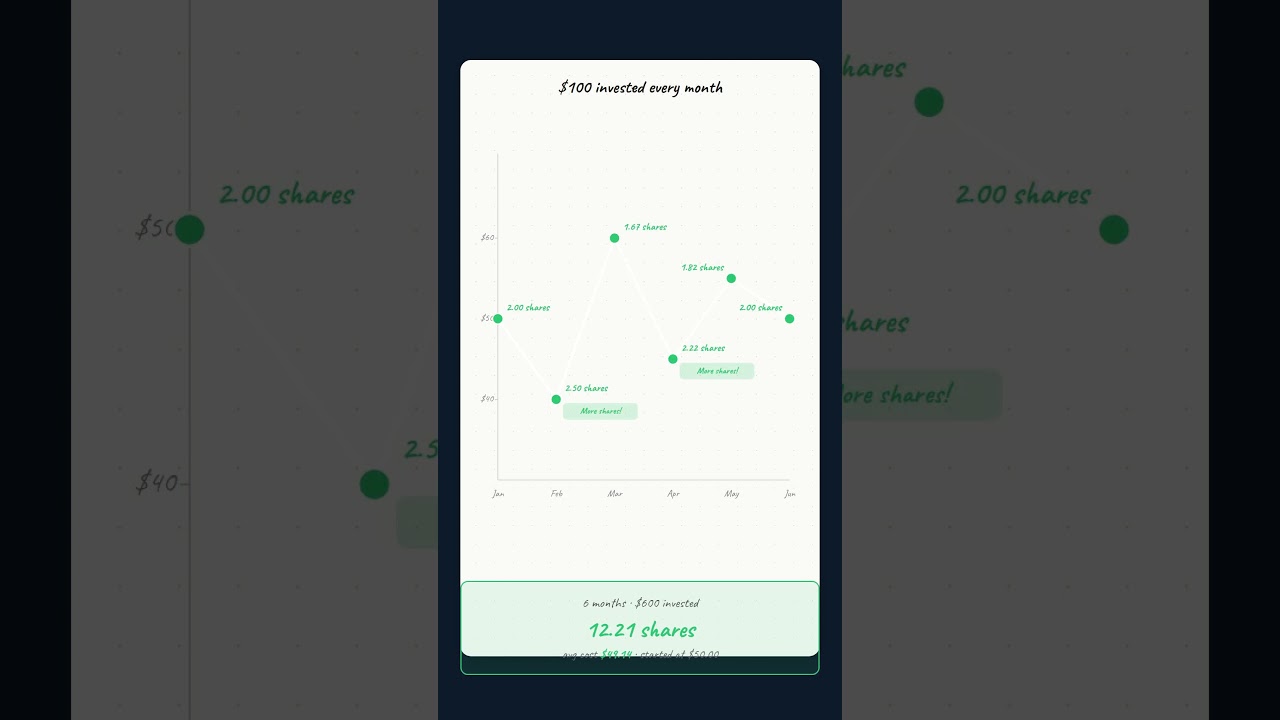
What Is Dollar-Cost Averaging? (Why Monthly Investing Beats Timing)
DailyMoneyBasics
173 views•2026-05-19
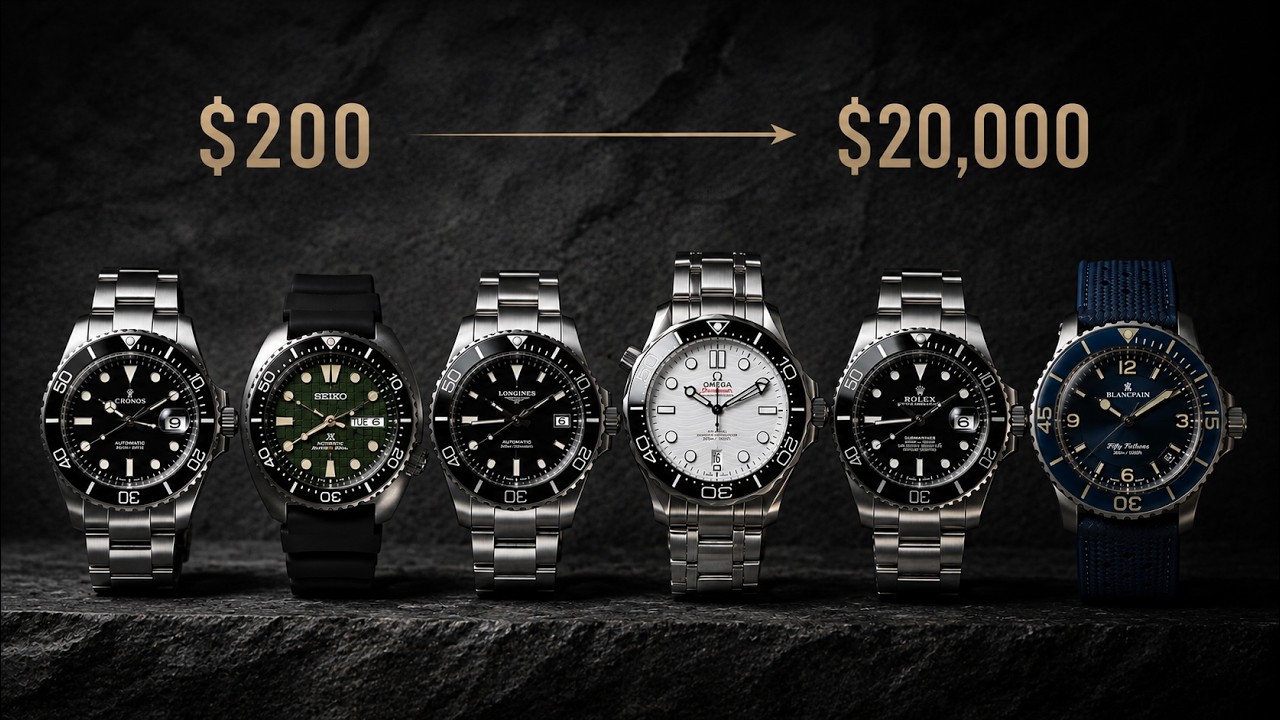
Are Expensive Dive Watches Actually Better?
HarrisonElmore
12K views•2026-05-20

Business studies
mastersbusinessclass
508 views•2026-05-19

Disney Lorcana’s biggest PROBLEM benefits YOU (The Collector)
1stClassCollection
170 views•2026-05-19
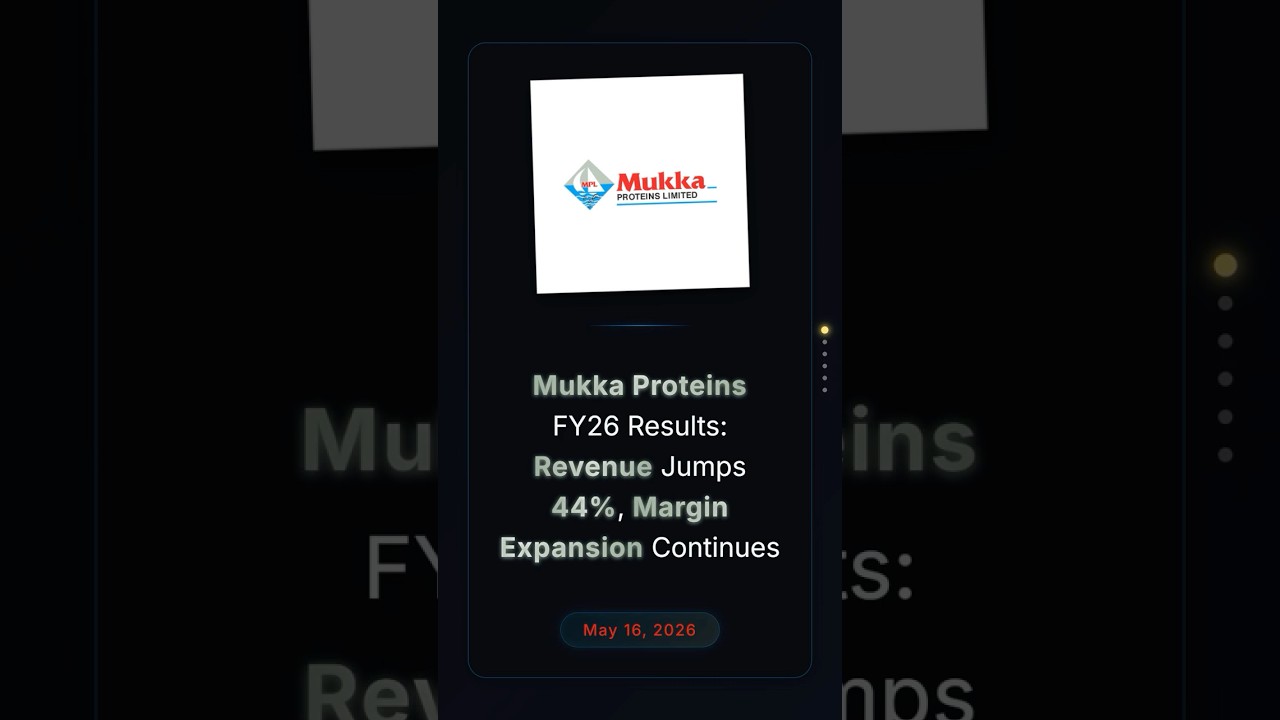
Mukka Proteins FY26 Results: Revenue Jumps 44%, Margin Expansion Continues #q4fy26results #q4fy26
NiftyBN
171 views•2026-05-17
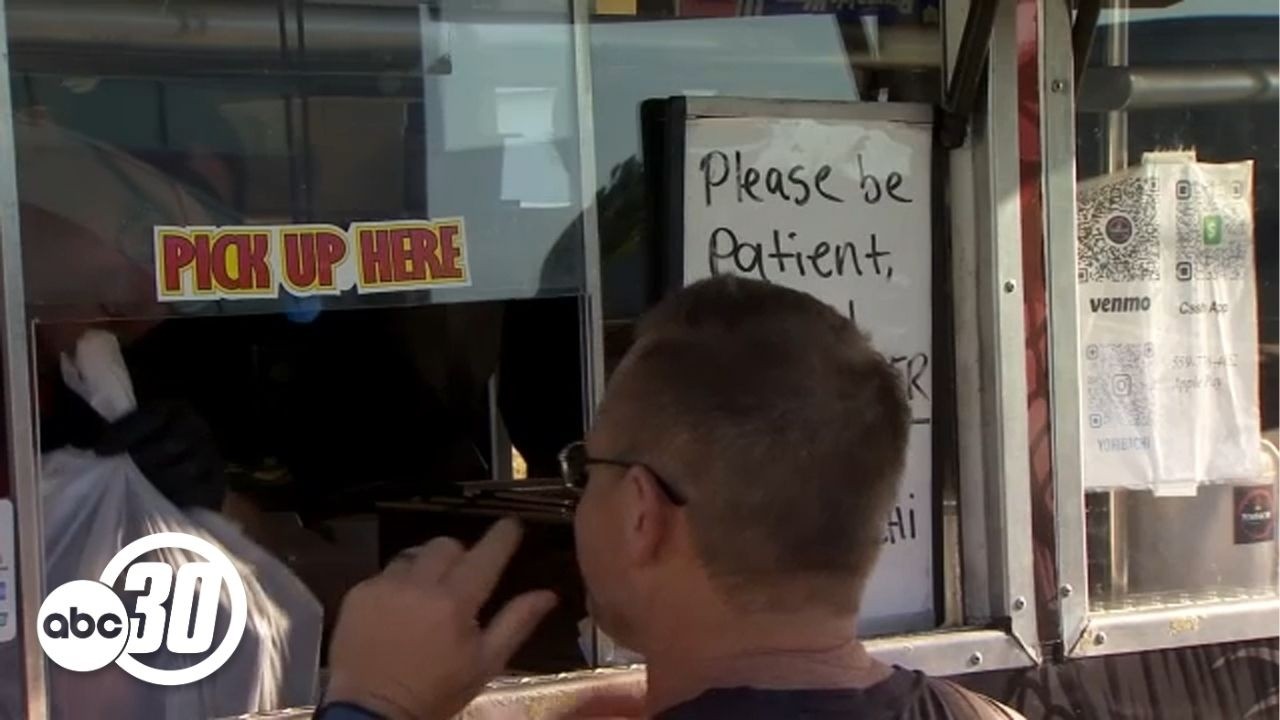
With high diesel prices, local food trucks finding ways to adjust
ABC30ActionNews
304 views•2026-05-18


