Small business acquisition offers a path to financial freedom similar to real estate investing. Like real estate, where you buy properties, rent them, and profit, small businesses can generate significant cash flow—described as 'rental properties on steroids.' One business purchase could potentially replace a salary. The approach uses leverage, with SBA loans allowing 10-20% down payments, making it accessible without substantial cash reserves. Investors can raise equity from ecosystem participants for the remaining portion. This path has gained popularity due to retiring baby boomers creating succession opportunities and professionals from tech/finance seeking entrepreneurial alternatives.
安装我们的扩展,即时搜索任意视频内容
How to Buy a Business That Will Replace Your Income (In Year One)本站收录:
Episode #1281 Baselane: Automate your real estate finances with banking and AI-powered bookkeeping. Claim your $100 bonus! https://www.baselane.com/lp/bigger-pockets/?utm_source=bigger_pockets&utm_campaign=bigger_pockets&utm_medium=YT-M What if, today, *you could “buy” a $500K/year income stream* ? You could *replace your salary.* You could become the boss immediately and reach *financial freedom* faster. It’s not a gimmick, it’s not a scheme, it’s something much more boring than that. In this episode, we’re talking about *how to buy a business,* especially *small businesses,* with Acquiring Minds’ *Will Smith.* Will spends his days interviewing the *overlooked, but highly profitable, business* owners who do exactly what we’re talking about today—find a boring business, buy it, improve it, profit, and repeat. Even the small businesses Will mentions can earn their owners hundreds of thousands of dollars per year. *So, how do you get in on it?* Will breaks down who should buy one of these businesses, where to find businesses for sale, how much they sell for, the *returns you can expect,* and the *best business types to buy.* *Dave is heavily considering buying a business* to complement his real estate portfolio. And after this episode, you’ll probably be feeling the same. Episode Show Notes: https://lnk.to/biggerpocketsYT Join BiggerPockets for FREE 👇 https://www.biggerpockets.com/signup?utm_source=owned_media 🎉Join us at the BiggerPockets Conference October 2-4 in Orlando. Buy tickets: https://biggerpockets.com/bpcon2026 Let Us Know What You Thought of the Show! https://www.BiggerPockets.com/Podcastfeedback Grab the Best-Seller, _Traction: Get a Grip on Your Business_ : https://store.biggerpockets.com/products/traction-get-a-grip?utm_source=youtube&utm_medium=description&utm_campaign=none Sign Up for the BiggerPockets Real Estate Newsletter: https://www.biggerpockets.com/email-subscribe?utm_source=youtube&utm_medium=description&utm_campaign=none Find Investor-Friendly Lenders: http://biggerpockets.com/findlenders Everything You Need to Know Before You Buy a Business: https://www.biggerpockets.com/blog/money-517?utm_source=youtube&utm_medium=description&utm_campaign=none Connect with Dave: https://www.biggerpockets.com/users/davem27?utm_source=youtube&utm_medium=description&utm_campaign=none 00:00 Intro 03:05 “ETA” Explained 06:07 DON’T Build a Business 10:01 Will’s New Business 13:17 Sponsor: Baselane! 14:12 How Much Money It Makes 18:12 WHO Should Buy Businesses? 23:15 Best Business Types to Buy 28:10 How to Buy a Business (Beginners) 33:21 How Hard is This? 35:40 A More Passive Option 38:31 Learn More from Will!
What if today you could buy a $500,000 per year income stream? You could replace your salary, you could become the boss immediately, and you could reach financial freedom faster. You're probably thinking to yourself right now, Dave, that sounds impossible. But today's guest proves that the average American, yeah, even you hearing this right now, can get in on the action. It is not a gimmick. It is not a scheme.
It's actually kind of boring and it's transparent and it's something I'm actually considering doing myself very soon. It's buying a small business. If you own or want to own rental properties, our industry is actually kind of similar to buying small businesses. In our industry, you buy a property, you get it rented, you run it well, profit and repeat. Similar with small businesses. But these small businesses are sort of like rental properties on steroids. at least in terms of how much cash flow they can generate. And just like rentals, you don't actually need to put in all the cash upfront to buy them. Buying just one of these businesses could actually replace your salary. And today, we're showing you exactly how to do it.
What's up everyone? I'm Dave Meyer, chief investment officer at Bigger Pockets. Today we're talking about buying small businesses with Will Smith, host of the Acquiring Minds Podcast. Of course, you're probably thinking, and it's true, this is a real estate podcast. I myself am a real estate investor, but buying small businesses has emerged as a popular alternative or I would argue as a popular compliment to real estate investing in recent years.
So, I wanted to have this conversation with Will and share it with all of you.
Let's bring him on. Will, thanks for joining the Bigger Pockets podcast.
We're excited to have you here.
>> Dave, thrilled to be here. Know the podcast, have known it for years. Uh, so it's it's really exciting for me.
>> Will, let's just start by hearing a little bit about your background and how you first got into the world of investing, personal finance, wealth building, all that. So, I've pretty much for my whole career been an entrepreneur of some kind. Mostly doing my own businesses for the the first few chapters of my career. And then my most recent and probably final W2, I was work I was living in the Bay Area and working for um a couple of startups. um but had that entrepreneurial itch that just never never seems to to go away with me but didn't at that time have a business idea that I wanted to run after. So I had the energy but not the idea and uh that was when I discovered the possibility of buying an existing business uh which is what we're here to talk about. Um and I I can kind of give the origin story of acquiring minds in a minute but but I guess to answer your question directly have always been entrepreneurial have always been interested in ways to build businesses uh and as as a consequence of that build wealth.
>> So Will tell us what is ETA? ETA, entrepreneurship through acquisition, also known sometimes as search or search funds, you might have heard of is the idea of becoming an entrepreneur or business owner by buying an existing business as opposed to starting one from scratch. There is a lot of uh excitement around this path in the last 20 but especially in the last 5 years. Business schools are teaching this. A lot of people are coming from tech or finance uh and wanting to get out of those industries and become entrepreneurs and this is a path to do it. They're demographic trends of a lot of retiring 60 and 70somes um whose businesses needs need new ownership. So there's a lot of trends that are contributing to this.
Not to mention the model itself is really compelling. So you can buy a small business with leverage with an SBA loan in the US, but there are also uh ways to to do it with leverage in other markets, non- US markets. Um so you don't have to stroke a check and buy the entire thing like like in real estate.
You have a down payment of 10 20% um and can buy a multi-million dollar business and even for that 10 or 20% you can raise investor equity to help you get there. Um so so the economics are really compelling as well as a number of other trends that are sort of converging to to make this a really exciting path and then people like me and many other podcasts talking about it all the time.
So raising the awareness of it as well.
What made you feel like you could do it will because you know I wanted to be entrepreneurial too when I was first out of college trying to figure it out. It never crossed my mind that I could buy a business. And I think a lot of people feel that way about real estate, too.
They don't realize that there are ways to get into real estate that don't require as much money as you might think. My assumption was that small business was the same way. So, were you coming from a place where you had a lot of cash or like what made you feel like you could do this? Cuz it to me at least it feels daunting.
>> I I didn't have a lot of cash. I didn't have no cash. With the SBA loan possibility, essentially 10% of a business's enterprise value or or total project cost as they call it is is is roughly what you'd need to bring. Okay.
>> And for certain size businesses that would be interesting enough to pursue, I could afford that. Um and then I also learned that you can even even for that 10% that equity if you have a good deal and you know there are people in the ecosystem investors in the ecosystem usually individuals who will help you with that or will invest in your project. So I saw pretty early on that there was a way to make this work for myself. Now it wasn't it was unlikely to be a very large business. I wasn't going to be acquiring a $20 million business.
Um but certainly something um interesting enough like as I said to to pursue.
>> What is it that attracted you? Like you said you didn't have an idea but there are other ways to be an entrepreneur real estate being an example. What made you so enthusiastic about this? I had spent uh a lot of time at that time of my life and and frankly really my whole career kind of ideulating what what is a new thing that the world needs >> and spending time in communities that where they spend a lot you know there's like the indie hackers world um this is kind of another niche of of entrepreneurship where um primarily techoriented people are trying to come up with the sass idea and >> and I had done a lot of that and spent a lot of energy doing that >> and I and I um I don't think that having a completely novel or a novel idea at all is that important to me. I just want to be building a business >> and I and I think I had I had gotten um too caught up in coming up with some new thing. You don't need to do that. And I and I don't I don't even think that that's like a a bad thing or like I had or I was giving up on coming up with a new idea. In fact, the more I really thought deeply about this and really connected with people about this, the idea that you would launch something brand new is not even very wise. Like many of the most successful businesses, the market demand has already been has already been demonstrated. So go where there are existing businesses that have already proven uh that that there's demand there for whatever the product or service is. So this was a path to entrepreneurship that got around that thing that was a big sticking point for me. The sense of possibility was completely wider than actually coming up with a brand new idea on my own.
>> I mean that resonates with me making me think. Uh before I started working at Bigger Pockets uh couple careers ago, I had started a tech company as well and I went to this mentor uh to to get some information and I asked him to sign an NDA and he was like I'm not going to sign an NDA. I was like why? Like I I got to protect my idea. And he was like if I could do your business better than you then you don't have a good business.
Ideas are stupid. execution is the only thing that matters. And I remember just being so dejected by that, just being like, I thought I had this amazing idea.
And he was like, I don't care at all about what your idea is. All that matters is like, can you run a business successfully? And it definitely changed my perspective. And it is something, you know, I've personally grown an interest in ETA myself and it's something I think about a lot. Not having to focus on reinventing the wheel, you know, inventing something new. That's the same thing I love about real estate, right?
Is like that's a business model that's proven. I don't have to think about that. I just have to think about things that are in my control, how to execute and operate. And just in case anybody's hearing this and thinks, well, the creativity aspect of entrepreneurship, I guess that's not what ETA is about because we keep talking about how it's not doing your own idea or a new idea.
And I just don't want people to leave with that impression because sure the thing, the product or service that's being sold may not be novel, but within a business, it's it's a it's an animal.
It's its own ecosystem and there's just constant opportunities for creativity and imagination within a business or within an industry that already exists that you get into. So I love creativity and I still see business absolutely as an outlet for that. Um so I just don't want people to think that we've foreclosed the opportunity to be creative by going down this path. Not at all.
>> So Will, you clearly became interested in this. What happened next? You go out and buy your first business. So I love at first sight um and I decide okay this is the way this is the path I'm going to pursue. My own entrepreneurial track record had been in building niche media what I call authority media. And so as I looked around this space the ETA space it didn't seem like there was uh what I like to call the authoritative voice of of ETA. this path that was so exciting to me. This this niche of entrepreneurship that was clearly if I was having this reaction other people were going to be similarly interested in doing this and I already saw that people were doing it. As I said, business schools were teaching it, people were doing this. So I thought I could I could build some sort of media something here try to you know they become the authoritative voice of this space because I'm going to be studying it on my own anyway trying to meet people get stories understand their learnings. I'm going to be going through them the all those motions anyway. Why not capture that into some sort of media something >> interesting? And and and maybe that becomes something. Maybe that becomes something or it doesn't. But I probably will have raised my own profile in the space. Maybe that will help me uh buy a business better or raise investor capital or whatever. So I I didn't see that that could hurt. I saw that it could only help and maybe even become its own business. And ultimately the media format I ended I ended on decided on was a podcast. And so I thought I'm going to go heads down on this podcast for a year and then evaluate and happily over the course of that year year and a half it really grew and there was a lot of market feedback that people were listening that sponsors were interested.
I was loving it. I I mean I was just and to this day I love it. So, it was just having come off of this period in my life where I'd been looking for some idea to launch into the world and how challenging that was. All of a sudden, I had launched an idea into the world and the world was reacting positively. So, so I said, "Let me I this deserves all of my attention." Uh, and probably around episode I think it was episode 200, I said to myself and publicly, I was like, I no longer am even going to consider myself what we call a searcher.
somebody who's out there trying to buy a business. I'm going full-time 110% on acquiring minds and we're and you know I'm just going to have to live with the tension that I'm the guy who talks about this all day long but never actually does it here and it's been okay. Nobody cares.
>> Well, it's so funny. I'm sure the irony is not lost on you that like you wanted to get into search because you didn't have an idea for a business, but just the idea of search gave you an idea for a business and you went out and started and didn't actually wind up completing your search. pretty funny. But good for you. It's awesome that you that you've built this business.
>> So, will I want to talk to you about the basics? Let's help our audience here understand if they want to pursue the great returns, the entrepreneurship, the freedom that search and ETA can really provide, what they need to do, who's good for it. We'll get to that right after this quick break. We'll be right back. As a host, the last thing I want to do or have time for is play accountant and banker. But that's what I was doing every weekend. Flipping between a bunch of apps, bank statements, and receipts, trying to sort it all by property, and figure out if I was actually making any money. But then I found Baseline, and it takes all of that off my plate. It's Bigger Pocket's official banking platform that automatically sorts my transactions, matches receipts, and shows me my cash flow for every property. My tax prep is done, and my weekends are mine again.
Plus, I'm saving a ton of money on banking fees and apps I don't need anymore. Get a $100 bonus when you sign up today at baselane.com/bp.
Bigger Pockets Pro members also get a free upgrade to Baseline Smart that's packed with advanced automations and features to save you even more time.
Welcome back to the Bigger Pockets podcast. I'm here with Will Smith talking about ETA or entrepreneurship through acquisition. It's the idea of going out and buying a small business and using it to pursue financial freedom much in the way that you can through real estate investing. So, Will, maybe give us some of the basics. what does it actually mean to go out and buy a business and maybe tell us a little bit of the steps that someone needs to take?
>> Sure. And and let me just say, Dave, because I heard you mention the returns and that is something that draws a lot of people here, especially if they come from sort of an investor first mentality. We speak in multiples in small business land, multiples on earnings as opposed to cap rates like you do in real estate. And and the multiples here are at first glance very low. call it three or 4x. So if you buy a business that's generating $750,000 of earnings, let's call it, um that might sell for 2,250,000.
Okay.
>> Well, that that's incredible. That's a you know 25 to 33% return on unlevered unlevered cash. And let's not forget we're using leverage in these. We're you know using SBA debt or conventional debt to to buy these. Will, can I just can I just explain that to our audience just quickly? So, in real estate, like if you were to go out and buy a commercial multif family property, I'm going to use round numbers, at a 5% cap rate. That's essentially meaning you are paying 20 times the net operating income for that business. So, for every dollar of income, NOI, you're paying $20. with the businesses will is talking about for every dollar of income, you might be paying $4. You might be paying $5, you might be paying $3 actually on some of these deals. So the value that you get for every dollar that you invest in it in terms of cash flow that you can generate is really high. The efficiency that you can generate cash in these businesses is really exceptional. Like I I don't know any other way to do that.
Will do you?
>> No. and it is exceptional. Now, caveat caveat caveat, >> right?
>> It's hard.
>> It's hard. And unless you really know what you're doing, I just kind of have a blanket policy that ex that you should expect you listener entrepreneur that you're going to get in and run this business. This is going to become your job, your career.
>> So, unlike real estate where you can start building a portfolio on the side, uh it's a lot of work, but it's passive, semi-passive.
>> Yeah. Um, this is the absolute polar opposite of that. This is highly active.
And not only is it active 40, 50, 60 hours a week. It's also really hard.
What this looks like is you're buying a business from probably a retiring boomer, an HVAC business who himself was an HVAC technician. Came up through the trade, built a crew around himself, then another crew, then another crew, and by the time he was 70, he had a business doing, you know, $4 million a year and $750,000 of earnings. All of his people uh know him as the leader. He is the business. it's held together with, you know, through his willpower and the respect of his technicians because he knows what he's doing. And then you come, you know, 20 and 30 years younger, not not ever turn having turned a wrench and saying, "Hey guys, I'm your new boss and owner of this business." Okay. So, um, the dynamics are interesting and delicate, and that's what we talk about on the podcast on Acquiring Minds is all of the all of these stories and how people do this and pull this off and there's pitfalls everywhere and risk everywhere. Now, I feel like I'm being just negative. I always put that out there first because this path can be oversold.
>> No, that's super helpful. Yeah, cuz you hear these amazing returns and you're like, "Oh, and I, you know, I see this too on the internet. You know, people are like, "Oh, it's passive." But you're saying the opposite. It is not like this is hard and it's difficult. But >> so then how do you succeed? Like who is the right person to go out and buy a business?
>> You you need to be drawn to this path by much much more than the returns. You need to want to live the life of a small business owner >> at least for a few years. Now, I'm not saying you have to run the small business that you buy as the owner operator from now until you retire, but there are a lot of people who try to accelerate through that part too quickly and it's extremely dangerous. You need to know that you're signing up to be a small business owner for a number of years and all that that entails. And we can have a and I'm happy to go more into that, but I think I just started to paint a picture. It's a very particular lifestyle and a very particular path.
So, first things first, you got to be willing and and and more than willing, you got to be excited to do that because it's going to try you. It's really hard.
But if you're excited by that or like the prospect of that, then then this is this is a very exciting opportunity because I mean, you got into the business as an acquirer. So, you've built this skill of business acquisition, which many which many boomers don't have because they built the business from scratch.
>> So, you have this whole other skill set of being able to buy businesses. So you can start buying others adjacent locally uh or in adjacent services. There's there's going back to that sense of possibility that that ETA gave me.
There's a lot of ways you can take this.
And by the way, now you're in a business, you're in your boring business and if you bought big enough and if you've improved it, there could be real cash flow coming off of it from which you can then buy other businesses. And so what this looks like after some number of years and you're becoming more advanced and more sophisticated is you are less and less in the business.
You're working more on the business. You have more cash flow coming out of it.
You have deeper relationships with lenders, local or otherwise. They've seen you as an operator start to trust you. If you can get the business to a certain size, you have that much more debt that becomes available to you and you could really start to build something big. I mean, I've had a number of a number of people on the podcast who have built businesses well well into the eight figures of revenue, $50 million businesses and and beyond.
>> Wow.
>> Um, so so the potential here is really uncapped.
>> So I've been listening to your show a lot and one of the things I've learned that's struck me is that it's honestly kind of similar to many of the scaling and career paths that people take in real estate. It's obviously different riskreward profile, different business thing. But what I've seen is that some people become cash flow investors, right? They buy a business and they want it to be a lifestyle business where they work on it a lot in the first couple of years, but then over time they can step away from it a little bit and have it be a lifestyle business. That's what a lot of people do in real estate. That's kind of the path I've tried to follow over the last 15 years as a real estate investor. There are other people who do what we would call something like a burr or value ad investing in entrepreneurship through acquisition whereas you buy something and you improve it, right? Maybe you do that through sales, but there's also ways to do that through systems and efficiency and operations. Something similar you do in real estate. There are even people who essentially flip these businesses, right? You go in, you try and implement new management, new skills and grow them and then you sell them to private equity. And so that's what I think is so cool about it is that there are a lot of different approaches, different strategies to acquiring these businesses and operating them that can align to your lifestyle goals, provided that you're willing to put those years in and that effort into it.
>> Yes, there there's all different types of models here. I I gave you these outsized examples of people building $50 million revenue businesses, but yeah, you could also buy a business that throws off half a million dollars a year and it and it pays you half a million dollars a year and you've got a general manager. I'm not going to say it's going to be passive, but you've got a guy who's making the trains run on time, as we say. Uh, and you can have a more semi-passive or less intense relationship to that business and be earning taking home half a million dollars a year. And by the way, this real estate people will of course resonate with this. You've got debt on the business and and the business is paying down that debt. The SBA loans are 10-year amortization loans. So after 10 years, you know, you've bought the business for 10% cash. And then after those 10 years, you've paid down that loan. So the entire equity value of the business, you've also been generating over the time over those 10 years. And then you have an asset. I don't like to use that word in business buying land, but people do. Uh then you've got an asset that is worth whatever you paid for it plus inflation plus appreciation plus growth u that hopefully you've you've generated over those last 10 years all the while having made $500,000 a year from your take.
>> Yeah, >> it is pretty that is amazing.
>> Can you give us some examples of businesses that people buy or maybe some industries that you have seen work on the podcast? There are certain categories that are really popular where you see a lot of acquisitions occur.
HVAC or home services broadly is is one of them that's been a very popular uh space both at the private equity level but also the individual entrepreneur buying a business level. That's why I keep coming back to HVAC or plumbing landscaping is another one. And you see a lot of those stories because there are a lot of those businesses in every market. There are some dozen of those businesses. And while the trade and the technicians is complicated and you are unlikely to learn how to become a plumber, the the business motion itself is relatively easy to understand.
You're, you know, you've got people that you send into the field to go fix people's homes and then they come back and you can figure this out. Okay, it's not too specialized. It's not too complex. Um, not easy, but not not overly complex for people to understand.
So that that's one common model. In private equity, there are some typical characteristics that make a business less risky and a a good target for acquisition. A key piece of this whole model is buying with leverage, which again a real estate audience will understand just intuitively. What real estate people might take for granted is that because when you buy real estate, you're not worried that you're aren't going to have cash coming in. You're going to rent the place and the cash is going to come in. In business land, when you're running a business, that's a far less sure thing. You need to be generating demand all the time and demand can eb and flow. In HVAC, to keep going back to that, for example, if you are have a mild summer and people are using their air conditioning less, all of a sudden you have a lot less demand.
that summer and that can bring your numbers down and when you have a lot of leverage on the business that can put the squeeze badly on you and it can be really uncomfortable or worse. So, so because we are putting leverage on these businesses to buy them and because the demand is far less certain than in a real estate context, we get really scientific about what we call the quality of the revenue that the business generates. What is the quality of that revenue and the more recurring it is, the better. So SAS businesses are the canonical example here. Contracted Netflix style business, you know, where you they have your credit card and they just ding it every month. That's the highest quality re revenue you can get.
You want if you can to find something like that. Reoccurring revenue is one step below that. And then there's a there's a whole spectrum and there's vocabulary there. But what you're looking for is the predictability of revenue. So sometimes it's less about the exact industry and more about the features of the business. People want recurring revenue. They want businessto business revenue. It's considered justifiably far safer to buy a business that services other businesses than services fickle consumers. BTOC businesses are generally considered weaker, the revenue quality lesser. And and so anyway, this is this is something that we spend a lot of time talking about on the podcast. I could I could go on about it. One more feature I'll just share with your audience and then I'll stop. The essentialness of a service, how essential it is. So if you're looking at a business to potentially buy and the service that it provides to other businesses, its customers are is essential. For example, forklift repair.
Okay, so your customers need those forklifts to work or their businesses stop moving. that's a service that they that they need and they're going to call you for and that gives you, you know, pricing power and other things.
Although, of course, it depends on how what your competition looks like. Maybe there's a lot of forklift repair businesses around you have to compete with and you have less pricing power.
So, it's very nuanced and complex. And this is kind of the fun and the art.
It's both art and science this. But those are a couple things to look for.
Essentialness, B2B versus B TOC, and and the quality of that revenue. How recurring or reoccurring in nature is it? Maybe I could just relate some of these things to our real estate focused audience here. Like recurring revenue you could find in HVAC, right? Those are like uh probably why private equity is buying them, right? Is because they put you on a service contract or this is probably why every pest control company wants to put you on a service contract instead of just doing a one-time extermination, right? or uh you know I think I've been dealing with this recently but even when you talk about required like mold remediation right you got to do it like that's just something that as a real estate investor you're going to come across especially when you live in Pacific Northwest like I do it's a damp place uh so you're going to that's required you don't have an option you got to do it and so those are the businesses that have sort of higher quality of earnings uh so to speak so will you've done a great job sort of explaining to everyone pros pros, cons, trade-offs, what's what's this good for?
Like if someone's really genuinely interested in this, what are the steps they should take? Obviously, you need to educate yourself, but like what is the acquisition process actually entail?
Okay, so there's a lot of education here. So, go out and listen to the podcast and read the books and so on.
Watch the videos. And then the other big thing I would start doing is looking at bisbyell. Okay, bisbyell.com.
I love this website. It's a 25year-old website and it's basically all the local businesses that are for sale show up there.
>> It's Zillow for small businesses, >> right? But not nearly as polished as Zillow.
>> No, no, no.
>> That said, it will give you a sense of what's possible. It'll maybe wet your appetite for particular industries, you know, things that you didn't even occur to you that such a business that you could be the owner of such a business.
And it'll just allow you to start fantasizing, what if I bought that business? What if I bought this business? Oh, I would never buy a business like that. And it just starts to make this a little bit more real in your mind and allow you to to So, it's it's more of um a psychological exercise than than anything. You're you're unlikely to find a business there to buy. That said, I have had plenty of guests who did find their business on business myself. Now, okay. So, that's all your that's all your prep and but just to quickly walk you through the steps of what this really looks like to go out, buy a business, and become its owner. You find a deal you like, you submit the LOI, the letter of intent.
Um, it's non-binding. So, a lot of people get hung up here because there's this they they feel that they can't submit that LOI before they have everything dialed in and they're ready to act on it and so they just never do it. Um, you shouldn't treat it lightly, but you also you need to get over this hump. This is where a lot of people just stall out and never get beyond this point. So, you need to get comfortable submitting an LOI on a business. Um, there's a guy in our space who admonishes people to just send the damn LOI. That's just, you know, more for your own psychological evolution than than for anything else.
>> We talk about this all the time. Just make an offer real estate. Yeah. Yeah. A lot of time people like are like, "Oh, they won't accept it." Like, oh, it's been sitting on the market. It's like, just make the offer. There's there's nothing to lose. Like I mean real estate offers can be binding so just everyone knows that but like if do your due diligence and make the offer like you'll learn a lot from the process but go on.
>> Yes. So you Exactly. You'll learn a lot from the process. Then you will let let's say this is actually a deal that looks like it could happen. Then you'll engage with the broker probably. Um, and then the and then eventually if you have a couple calls with the broker and it seems like there's a there's a deal to be had here, they'll introduce you to the seller, the owner of this business.
There will be some getting to know you stuff. You'll you'll go out and meet them. Maybe, you know, you'll go with your partner and he'll bring his partner and you'll go have dinner together and break bread and see if there's rapport.
And there's a whole process here. This is this is probably very different than real estate in that the emotional piece of this for sellers is delicate because this is their in many cases their identity. They are riding off into the sunset. This is the last thing that they're going to do. This is something that they this is you know the proverbial this is their baby. They care about their people. They want to make sure their people are left in good hands. Uh it's a lot of money. It's their probably their first and last big liquidity event in their lives. So, this is a notoriously unpredictable, choppy, and slow, multi-month, sometimes longer process.
>> Um, but you're going back and forth.
You're building rapport. You're getting to know people. You're negotiating all the items, which are many. You're then bringing in all of the the service providers, the lenders. Then eventually, you know, if everybody can come to terms, then you you're probably renegotiating that offer, renegotiating the LOI, but eventually you're you're finally getting to the table and and closing and and that's probably not unlike a real estate close. And then you're then you show up day one and hopefully the owner you and the owner walk onto the shop floor or whatever it is and the owner introduces you and says glowing things about how you're you're going to take this business to the next level and he really trusts you with the business with his people and everybody should welcome you and give you the be best shot and then you give a speech and you're off to the races.
>> Awesome. Well, thank you. That's super helpful. I mean it it's not totally dissimilar from buying real estate, right? You're doing your due diligence, you're underwriting, you're getting financing. There is this piece where you got to go learn the specifics of a business in a way that does seem harder than real estate. Like you go into a rental property, if you're experienced at this, even if you're new, you can figure out what needs fixing, what looks like it's in good shape. You know, you know the people to call to contract stuff there. You know, it does seem like there's certain there are unknowns in this business, but and it's going to take a lot longer to purchase one of these things, but it's not totally dissimilar from the process. It's just different timelines, different things that you need to focus on.
>> Yeah.
>> Now, Will, I want to ask you about the population, the demographic, and sort of the macroeconomic what I think are tailwinds that support this industry. You mentioned a lot of times you're buying from a boomer. tell us a little bit more about this and why ETA is becoming popular right now because of some of these demographic realities.
>> So the conventional wisdom is that we are experiencing the so-called silver tsunami. Okay. And this is the the baby boomer generation retiring. Most I think it's fair to say of the small businesses that are the type that one might acquire are owned by people in their 60s and 70s. And these businesses don't have a succession plan. Um, and so they need to transact or they need to go somewhere or they'll shut down. And so there's this demographic opportunity for people who are interested in buying these businesses that there's a lot of a a large quantity of them that that are going to be coming on the market in the next few years. Now, I will say that people have been saying that for a long time. People have been saying that for 15 years. I mean, you can find people talking in the 2000s about Oh, really?
>> Oh, yeah. Oh, yeah. We've been hearing how the housing market's going to crash for the silver tsunami, selling all their homes since 2010.
>> Oh, really? Oh, how funny.
>> Same thing. Yeah.
>> Okay. Well, then then this audience will be rightly skeptical when they hear that. There they're there they're there probably there's probably some truth to it, but I think it's also oversold. And I I'll tell you as well, there's been a because of the popularity over the last five years, this surging popularity of entrepreneurship through acquisition, ETA, there's a lot of us buyers now. So that the competition for these businesses is actually quite stiff.
Yeah. You'll hear people in major metros um talk about how hard it is to find a business to buy uh and that every other person looking to buy a business, you know, look looked at a at a deal that came on BIS by sell or that a broker had. So, it is not I I really caution people to not frankly believe the silver tsunami. There may be some actual demographic truth to it, but don't don't be wooed by that to think that, oh, it's going to be so easy. I can throw a rock and find a great business to buy at 3x.
Not gonna happen. It is hard to find a business to buy.
>> Now, one last question here before we get out of here. Will asking for a friend, but really asking for myself.
What about investing in someone else who wanted to do this? Is that happen? Like if I wanted to invest in someone who does love HVAC or does love has a plumbing business, like I think a lot of our audience might be interested in dabbling in this without fully committing their time and effort to it.
Are there other ways to participate?
>> Absolutely. So, there's there are a lot of opportunities here, although not so many that are really formalized. If you were interested in investing in somebody who's buying a an SBA style HVAC acquisition, yes, those types of people are often trying to raise a few hundred,000 and they often raise them in check sizes of 25 to $50,000. So, if you wanted to invest $100,000 across four deals, you can do that. Um, now finding those deals, there's a there's a community here. And so, you would need to embed yourself there. There's a website called searchfunder.com where you might which is a forum you might get on and raise your hand to say that you're interested in investing in deals. There's a pretty active Twitter community X community where you can go on and follow people and join the conversation and raise your hand to say I'm interested in investing in deals.
There's a spreadsheet that floats around the the ecosystem that's a list of people who are interested in investing in this deals. Sam Rosati, people can look that up and his spreadsheet. You can add your add your name to that. Um, so as you can see, it's it's a little scrappy. Uh, but you like like anywhere, you just kind of got to g get into the ecosystem and make yourself known. Uh, and then people will will happily raise money for your deal. I will say that investing in any like investing in anything, you know, look at a lot of deals before you write that first 25 or $50,000 check. There's a lot of bad deals out there. So, you want to make sure that you're you've developed some >> sense of what a good deal looks like.
And then if you wanted to go bigger than small 25 $50,000 checks, there are funds like actually ours uh where we invest in much larger deals and doing individuals.
They're called independent sponsors, but they're they're more doing traditional private equity style deals, much larger businesses, $4 million, $5 million of earnings. These are bigger businesses and those folks are raising much larger amounts of capital >> and we have raised from our own LPs to make investments in those and so you could become an LP uh an investor in a fund like M's capital where we give you that access to the lower middle market business acquisition ecosystem um but you're not you're not making the decisions deal by deal we're doing that work for you and so there's Mind's capital and things like it as well.
>> Will thank you so much for being here.
This was a lot of fun. I learned a lot.
But I hope our audience learned a lot about this potentially interesting avenue for pursuing financial freedom either in addition to or in lie of real estate investing. Will, you've mentioned the show, but where should people connect with you if they want to learn more?
>> Well, the name of the podcast again is Acquiring Minds. You can find it on all your podcast feeds on YouTube. We publish two interviews a week. Every Monday and Thursday is a case study, an interview with an entrepreneur who's gone down this path. all manner of stories and size and types of businesses and backgrounds of the entrepreneur who did this. So, a great way to just wet your beak if you're interested in this path is to just tune into Acquiring Minds and and and the the many many stories that we've already published and will continue to. Uh acquiringminds.co is the URL and uh and I'm all over the place findable anything attached to that.
>> Awesome. Well, thanks so much for joining us and thank you all so much for watching this episode of the Bigger Pockets podcast. We'll see you next time.
相关推荐

BITCOIN BREAKS $80,000! The Next Stop is $100K? - Matt Hougan
digitalcoin622
195 views•2026-05-15

Brooklyn Nets Draft Talk + Future of the Franchise | Inside the NBA Agency World ft. BJ Bass
TheBrooklyn_Boys
679 views•2026-05-17
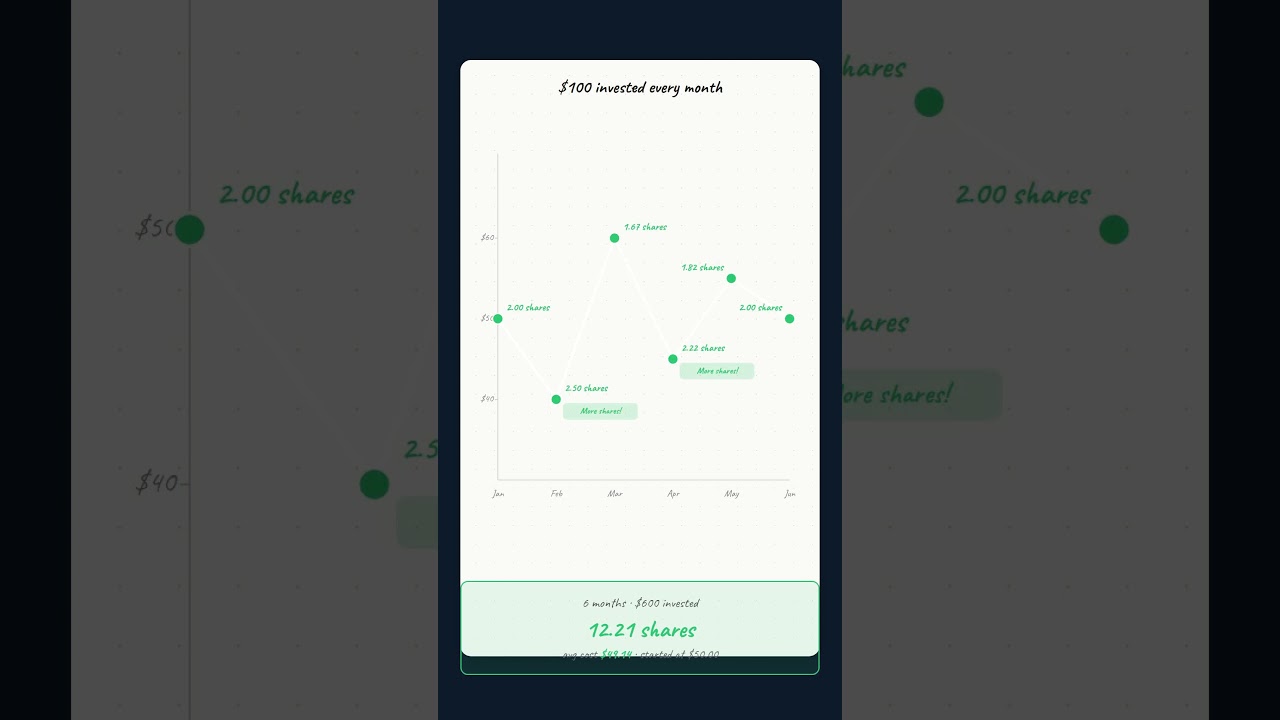
What Is Dollar-Cost Averaging? (Why Monthly Investing Beats Timing)
DailyMoneyBasics
173 views•2026-05-19
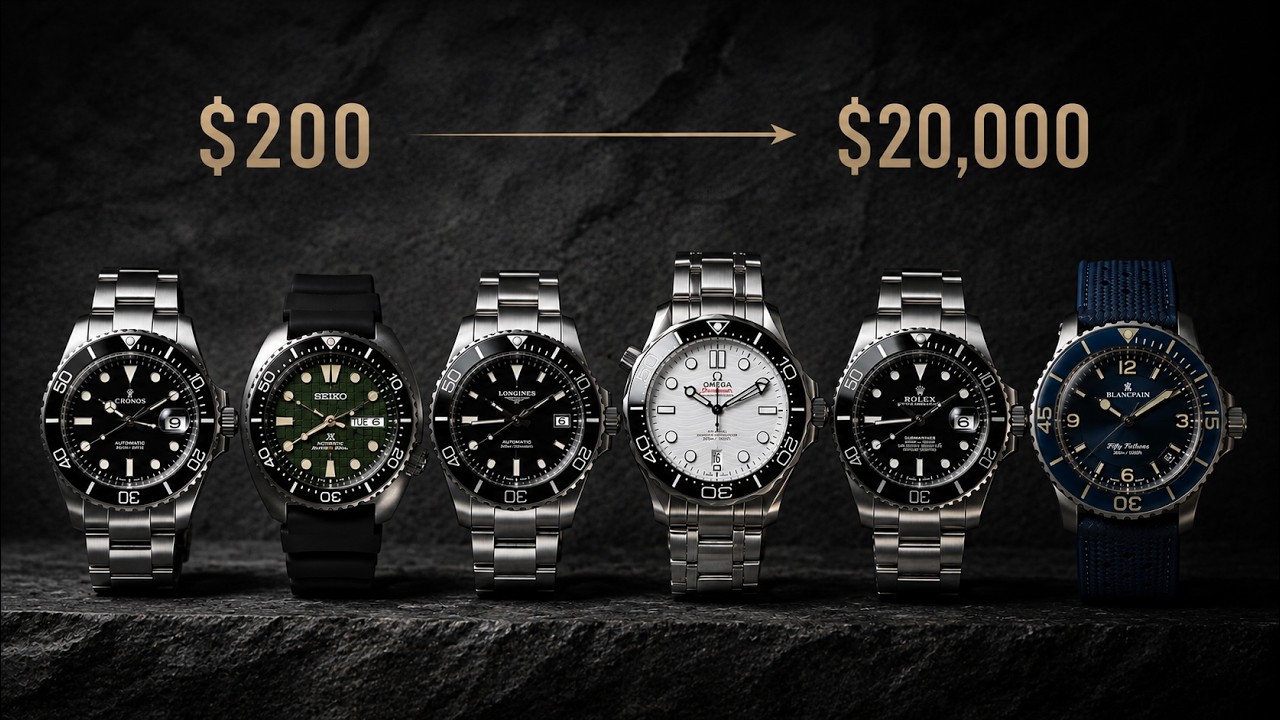
Are Expensive Dive Watches Actually Better?
HarrisonElmore
12K views•2026-05-20

Business studies
mastersbusinessclass
508 views•2026-05-19

Disney Lorcana’s biggest PROBLEM benefits YOU (The Collector)
1stClassCollection
170 views•2026-05-19
Mukka Proteins FY26 Results: Revenue Jumps 44%, Margin Expansion Continues #q4fy26results #q4fy26
NiftyBN
171 views•2026-05-17
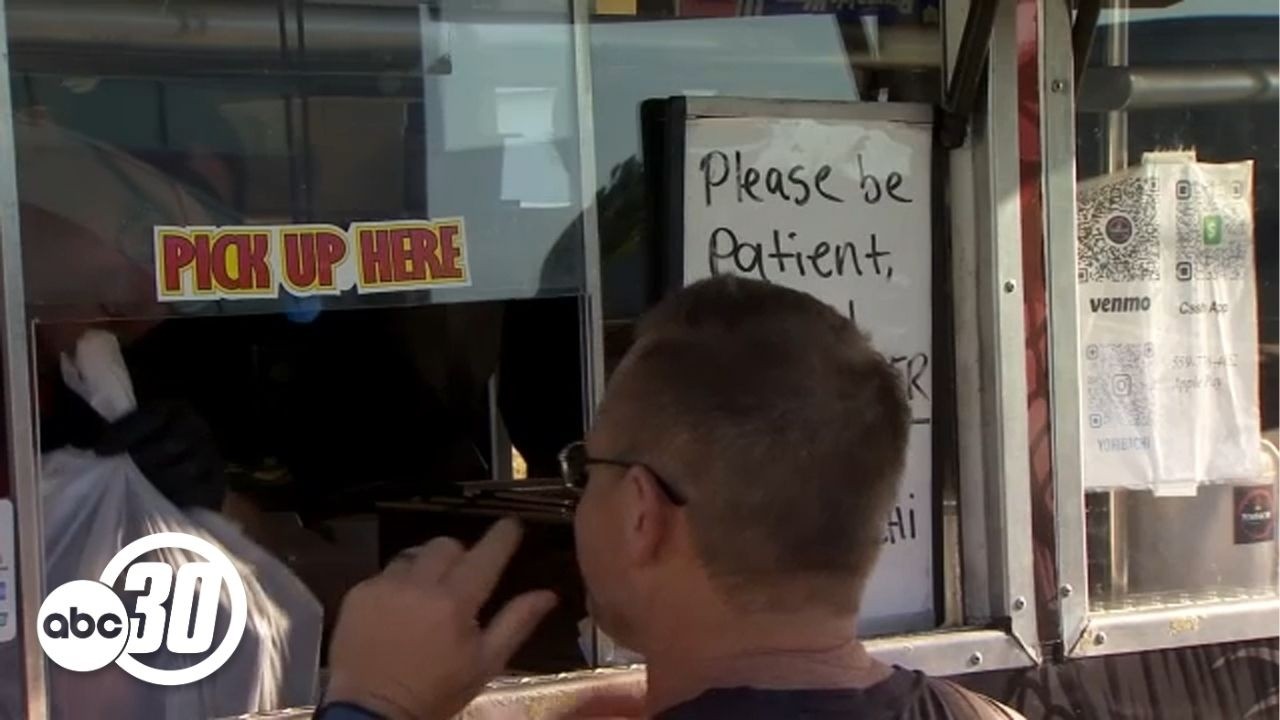
With high diesel prices, local food trucks finding ways to adjust
ABC30ActionNews
304 views•2026-05-18


