The credentialed quiet trap is the belief that highly qualified professionals should not need to post because their work should speak for itself. This psychological trap occurs because the higher one's credentials, the more posting feels like a demotion. The brain protects status by avoiding anything perceived as needing attention, creating an internal logic where quiet equals high status and posting equals low status. This is called the experts paradox: the more accomplished someone is, the more their brain protects them from doing the thing that would compound their accomplishments. The market cannot hear your work if you remain silent, and silence is invisibility, which means being forgotten. The key insight is that reluctance to post is often about ego, not humility.
You're smart, but you don't post. Here's whyIndexed:
Smart experts get crickets on LinkedIn while louder, less qualified people win. The reason isn’t your content — it’s psychology. In this video, I break down the three traps keeping qualified experts invisible, plus the data on why LinkedIn is the only platform mathematically built for people like you. → Join the live workshop: https://stan.store/marketingkase/mayworkshop 90 minutes. Live. The 4 Brick Foundation taught start to finish, with live LinkedIn teardowns. $47. Thursday, May 28, 1 PM ET. 30-day replay included. → Free 5-day email course: https://stan.store/marketingkase/BKSYT Stop Being a Best-Kept Secret — the foundation philosophy behind everything in this video, dripped over 5 days.
You've definitely watched it happen.
Somebody that you went to school with, somebody you used to work with, someone who is, let's say on paper, less qualified than you, less experienced than you, less impressive than you in every measurable way. And they're now the LinkedIn person in your industry.
They post up that you scroll past with a slight cringe, and somehow it works.
Thousands of likes, hundreds of comments, inbound clients, speaking deals at conferences, podcast invites.
Meanwhile, you post maybe once every few months when you actually have something valuable to say, and it just disappears into the void. And you've told yourself a story about why that is. Maybe you've told yourself a few stories. Maybe you've told yourself that LinkedIn is just broken, or that you're too busy, or that your work should just speak for itself. Maybe you've told yourself you don't want to just be one of those LinkedIn people, the cringe ones. Well, my friend, I need to be honest with you.
Every one of those stories is a lie your brain is telling you to just keep you safe. And it is costing you more money than you know. And if you don't know who I am, my name is Casey Brown. I've built a $1.2 million business almost entirely from LinkedIn. I've worked with coaches, consultants, Grammy winning producers, Fortune 500 executives. We were also just featured, LinkedIn just had this big product launch, and they featured me as a trusted voice on this platform.
Buckle up. We're about to get to the good stuff. But first, the moment you've all been waiting for, a product teaser video. Hit it.
>> All the while partnering with trusted [music] voices that bring expertise and credibility.
LinkedIn, the network that works for your business. So, I may know something about LinkedIn and helping experts win on the platform. And the pattern that I see every single time is the same. The people actually most qualified to win on LinkedIn are the people most resistant to actually being there. And the reason is psychology, not strategy. So, So, the next 15, 17 minutes or so, I'm going to do two things. First, I'm going to walk you through the three psychological traps that keep smart experts invisible on LinkedIn. And yes, you're going to see yourself in at least one of them, probably more. Then I'm going to show you the data that makes it impossible to keep telling yourself that this platform does not matter because the numbers, and I mean the actual source numbers, are going to be uncomfortable. All right, so let's start with the first trap, the one most people fall into without even realizing. Now, trap one is what I call the cringe repulsion. Here's how it sounds in your head. You open LinkedIn, the first three posts you see are the ones we've all seen, the I cried at the airport and it taught me this about leadership post, the I got rejected from Harvard but built a million-dollar mindset post, the guy posing in front of his rented Lamborghini explaining why people will never make it. And you have an instant visceral reaction, not me. I would rather be invisible than ever post anything that looks like that. Well, here's what's actually happening psychologically. Your brain is doing pattern matching. It's seeing the loudest, most performative 5% of LinkedIn content and concluding that this is what posting on LinkedIn must require. So, if you don't want to be performative, you can't post, end of story. But here's the trap, you're letting the loudest 5% define what the platform is. You're looking at a small group of very visible accounts and treating them as if they represent the only way to win. My friend, they don't.
The quiet professional voices on LinkedIn are dominating in their categories because they're the only credible voice in a sea of performance.
The cringe content gets attention, but the content with substance gets clients.
Now, the opposite of performative isn't silence. The opposite of performative is substance. Let me tell you about one of our amazing Brick by Brick clients, Genie. Now, Genie spent 25 years in corporate marketing building brands for other companies behind the scenes, never putting herself out front. When she left corporate, the first thing she told me, the very first thing, was that she was struggling with the idea of being the center of attention. These are her words, not mine. Genie was the textbook example of somebody that built their entire career on being valuable and invisible at the same time. 25 years of expertise and zero comfort with being seen. We did not change Genie's voice.
We did not make her into someone she wasn't. We helped her find a way to write on LinkedIn that sounded exactly like the way she talked to a colleague, measured, precise, professional, the kind of post a senior person in her industry would actually write. And 6 months later, Genie closed her biggest signature client to date, a $12,500 program. And she's booked through July.
From struggling with being visible to booked and busy in 6 months. Same person, same expertise, just stopped letting the cringe crowd define what posting had to look like. So, if trap one is you, the question I want you to really sit with today is, are you actually opposed to posting, or are you opposed to performing? Because those are two very different things, my friend, and the difference is the entire game.
Now, trap two is the credentialed quiet.
And this one, this one might sting some of y'all. I'm just giving you the warning up front. Now, here's how this one sounds in your head. My work should just speak for itself. If I were really good, I wouldn't need to post. Real experts just get referred. Real experts are not posting. Posting is for the people who are not as good as me. If any of that just landed, stay with me because I need you to hear what your brain is actually doing and what a version of my brain was doing when I believed this. Now, here's the psychology. The higher your credentials, the more posting feels like a demotion.
Your brain protects status by avoiding anything that could be perceived as needing attention. So, you built this internal logic where saying quiet equals high status and posting equals low status. This is what I call the experts paradox. The more accomplished you are, the more your brain protects you from doing the thing that would actually compound your accomplishments. And here's why it's a trap. The market doesn't know your work speaks for itself because the market cannot hear it.
Silence isn't prestige. [music] Silence is invisibility and invisibility is being forgotten. The status you think you're protecting by staying quiet is the exact status you're losing every single month you do not post. Let me tell you about one of our clients, Ed.
Now, Ed is a venture capital pioneer, decades in the industry. He spent his career backing founders who don't look like the people who usually get backed.
The kind of person who names carries weight in rooms most people will never sit in. Now, when Ed first started posting on LinkedIn, he wrote what most credentialed people write, Ed-centric post, thought leadership, insights from the field, professional, polished, and perfectly forgettable. And then, something shifted. Ed started telling stories of the founders that he'd backed, the black entrepreneurs that he'd known for decades, the pioneers most people had never heard of who'd quietly built billion-dollar businesses.
Stories that he just kept private for years. And within 5 weeks, Ed went from a cold start to 150,000 impression post, 20% follower growth in literally just a month. And here's what I didn't even see coming. The personal storytelling didn't just build an audience. It became the pipeline engine for his next fund. he wanted to back started to find him. The credentials that made Ed feel above posting, those were the asset. The silence was wasting them. Now, if you're in that trap too right now, I want you to ask yourself something honestly. Is your reluctance to post actually about humility or is it about ego? There's a version of high credentials where you're generous with what you know because, my friend, there's enough out there for us to all win. And there's a version where you're hoarding it because you're afraid of looking like you need attention. Only one of those versions, though, actually build a business. Now, let me be honest with you guys for a second. If you are watching this and you saw yourself in any of these traps so far, that's not a sign that something is wrong with you. I need to be clear here. That is a sign that you're smart and you are self-aware and you've been protecting yourself from something that maybe felt risky. But, this is where I really want you to reflect. Every one of these traps is your brain protecting you from a perceived risk. While ignoring the actual risk of staying invisible, and the actual risk, the one your brain is not protecting you from, is about to get very specific, because the next trap is one of the bridges into the data. And the data, if you're a data person like me, the data is uncomfortable. So, stay with me. Now, trap three is what I call audience phantom. Here's how it sounds.
My clients come from referrals. My people aren't really on LinkedIn, Casey.
I wouldn't even know who I'm writing to.
This one feels a bit different than the first two. This one feels like a reasonable, strategic conclusion. It's not about aesthetics or ego. It's a market analysis. Now, here's what's actually happening. This is what psychologists call availability bias.
You're reasoning from your existing referral patterns and assuming those patterns describe the whole market.
You're saying, "Nobody from LinkedIn has ever found me. Therefore, nobody on LinkedIn is looking for me." Now, my friend, the first part is true. The second part is the assumption that is costing you everything. Your referral network is the part of the market that already knows you exist. LinkedIn is the much larger part of the market that doesn't know you exist. And the only reason you don't see them is because they cannot see you. Let me tell you about one of our all-stars, Kledra.
Kledra coaches high-achieving women over 40, the kind of woman in executive, chief roles, C-suite trajectories, right? The exact audience that conventional wisdom says is too senior, is too busy, is too over it for LinkedIn. When Klieder started posting consistently, the question was simple.
Would her people actually be there? My friend, she made $12,000 from a single LinkedIn post. $12,000 from one post.
And the woman who bought from her wasn't somebody that had been following Klieder for years. It wasn't part of her referral network. It was an executive on a chief track trajectory who saw the post, recognized herself in the post, and then bought. That audience Klieder was told wouldn't be on LinkedIn, they're not just there, they're buying within days of a single post from people they've never even met before. Because the moment you post, you exist to them.
The moment you exist, the audience that was always there finally finds you. And before we keep going, I want to tell you something. Because if you're sitting there ready to challenge me thinking, "Casey, my industry is different. My people are not on LinkedIn." Stay with me, because I'm about to share data for exactly who is on LinkedIn. And once you hear the numbers, the audience phantom argument doesn't survive contact with the data. 80% of all B2B, business-to-business leads generated from social media, come from LinkedIn.
80% from one platform, which means every other platform combined, Instagram, TikTok, X, Facebook, YouTube, everything, splits the remaining 20%.
That's a four-to-one ratio of LinkedIn over every other platform combined. Let me give you another one. There was a tracking study where someone posted identical content across three platforms for 90 days, LinkedIn, X, and Instagram.
Same content, same effort, same time period. LinkedIn generated 47 qualified demo requests. X generated three, and Instagram generated zero. Zero. Same content. And one more, cuz I love data.
LinkedIn's visitor-to-lead conversion rate is 2.74%.
Facebook is 0.77.
Twitter is 0.69. That's LinkedIn converting nearly three times higher than either platform. Now, let me tell you why these numbers are so different from anything else. Every other platform is a discovery engine. People open Instagram or TikTok to relax, to be entertained, to scroll past content until something catches them. The platform's job is to keep them scrolling, not to send them somewhere else to buy. LinkedIn is the only platform where the audience shows up with the buyer intent already activated.
They are on that platform to learn, to hire, to sell, to buy, to research, to make a decision, to look up someone.
Think about what that means. You're not converting attention into intent, you're converting intention into action. And that's the whole game, right? And here's what makes this even more uncomfortable.
The current B2B buyer spends about 70% of their purchase journey researching independently before they ever contact the salesperson or the founder. 70% Where do you think they are doing that research? They're looking up consultants in your space, the advisers, the experts. They're reading your LinkedIn, your Google, your website. They're trying to figure out if they should actually take this call with you. And my friend, a little pro tip, LinkedIn SEO is through the roof right now. So, if you are not there, you're not being researched. If you're not being researched, you're not being called. And the people who are getting called are not better than you. They are just more visible while you are invisible. So, here's the punchline. 10,000 of the right LinkedIn followers can be worth more than 300,000 Instagram followers because the people are different, the intent is different, and the economic outcome is fundamentally different.
LinkedIn isn't just better for people like you, it is the only platform mathematically designed for people like you. And every month you stay off of that platform, the people who took the click are compounding their advantage.
They're less qualified than you, they're less experienced than you, but they are just there. So, here's where most videos like this would just stop. They will tell you the psychology, show you the data, and just wish you luck along your journey. Well, you guys know, I'm a bit different. I'm a bit different in this space. Because here's what a lot of people wouldn't say. Even once you decide, "All right, Casey, I hear you.
I'm going to do this. I'm going to post." My friend, you are still going to fail. Not because you're not capable, but because every post you write is going to float with out a foundation underneath it. There are four specific things every LinkedIn account that is actually printing money has underneath it. I call them the four bricks: monetization, ICP, associations, transformations. Now, I'm not going to teach you the bricks in this video.
There isn't time and there isn't space, but I want you to know that they exist.
Because if you go post tomorrow without these bricks, you will land back in one of the three traps within 30 days. And your brain will tell you LinkedIn does not work for you. And you'll have proven yourself right the wrong way. So, here's one thing I want you to do this week.
One specific thing. Be honest about which of the three traps is yours. Maybe it's cringe repulsion, maybe it's the credentialed quiet, maybe it's the audience phantom. Maybe it's all three on different days. Do not [music] try to fix it yet. Just name it out loud to yourself. And if you want to actually do something about it with me walking you through the four brick foundation live, doing real LinkedIn teardowns on real people in the room, I am running my first workshop in two years. It is going to be 90 minutes, fully live, and you will walk away with your single biggest leak name and a fix you can implement that week. The workshop is literally $47, less than your Uber Eats dinner.
Now, the link is in the description and it's in the pinned comments. There's also a 30-day replay if life happens that day and you can't make it. So, if you are not ready for that workshop though, it's totally fine. My free 5-day email course, Stop Being a Best Kept Secret, walks you through the foundation philosophy, and you will find that in the description, too. But, you guys know what I say. I put all these options out there. Take whatever path you want to take, but you do not need a workshop, another course, another thing to start.
You can watch this video twice. You can take notes. You can name your trap tonight. The information is free. It is up to you to just go take the action.
Because, and I'm going to just say this one more time in this video, there's enough out there for us to all win. You winning only does this world more good, so go take action right now, my friend.
And with that, I'll see you in the next one.
Related Videos

BITCOIN BREAKS $80,000! The Next Stop is $100K? - Matt Hougan
digitalcoin622
195 views•2026-05-15

Brooklyn Nets Draft Talk + Future of the Franchise | Inside the NBA Agency World ft. BJ Bass
TheBrooklyn_Boys
679 views•2026-05-17
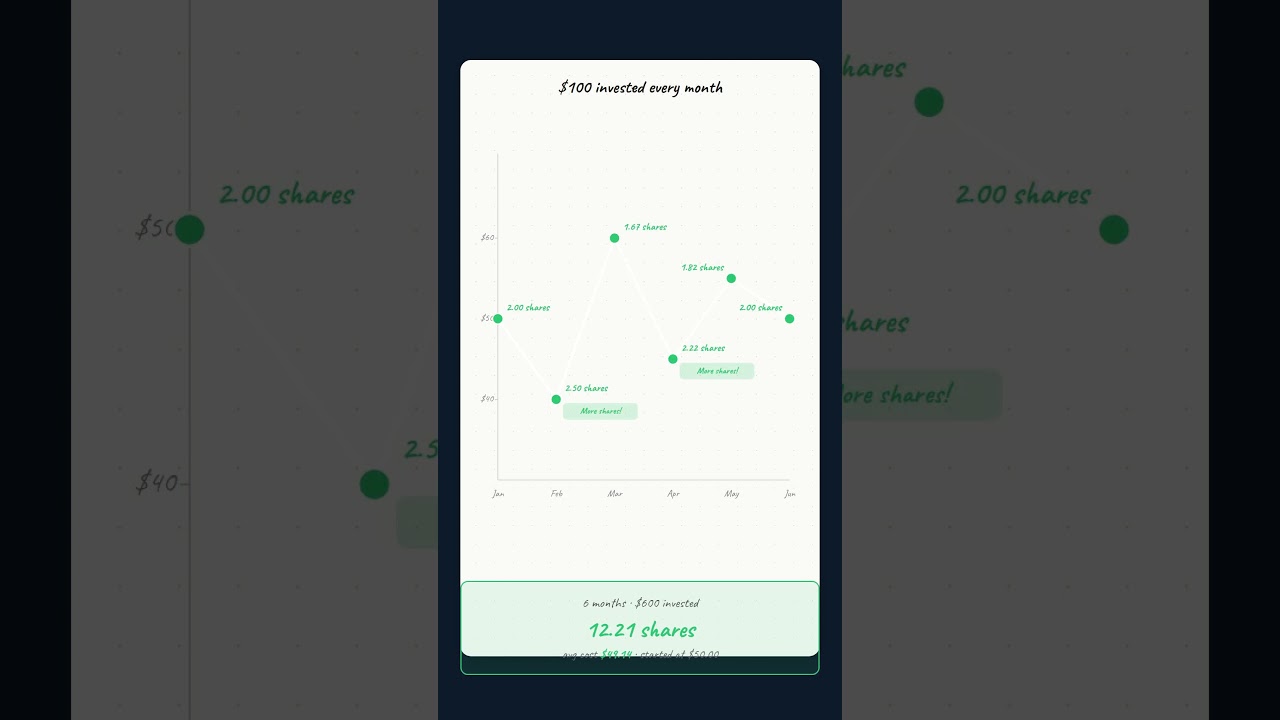
What Is Dollar-Cost Averaging? (Why Monthly Investing Beats Timing)
DailyMoneyBasics
173 views•2026-05-19
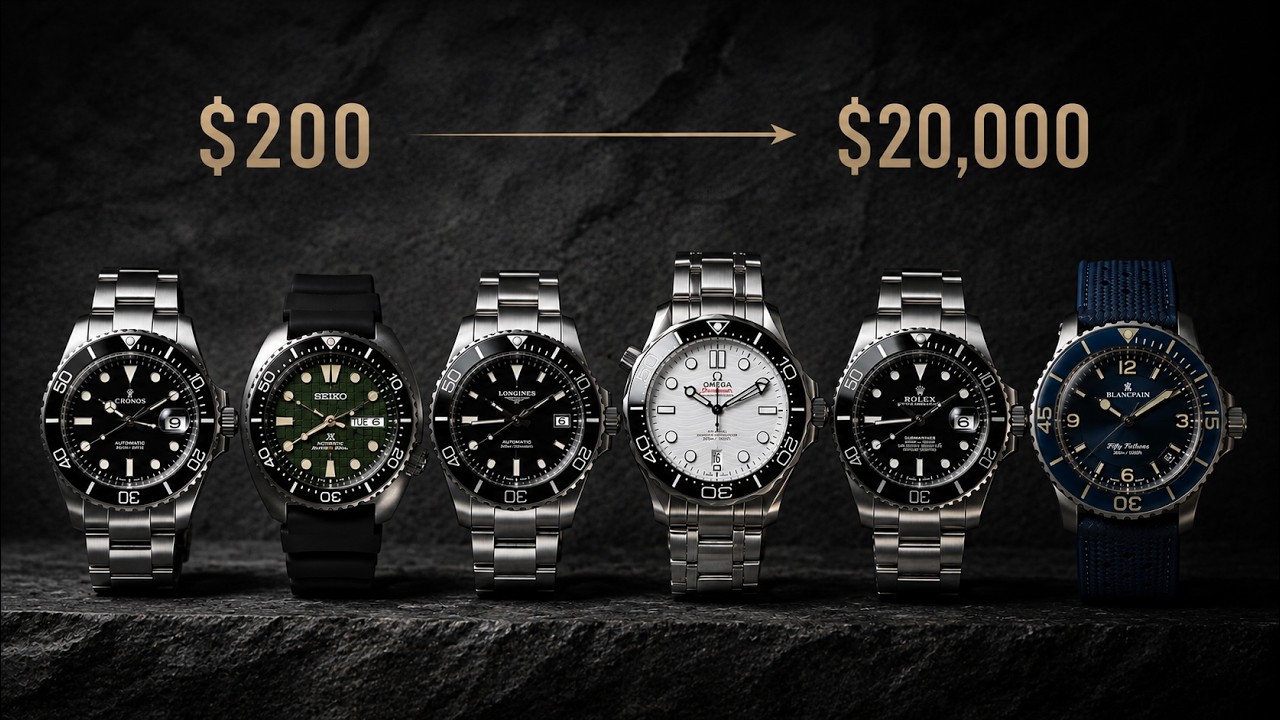
Are Expensive Dive Watches Actually Better?
HarrisonElmore
12K views•2026-05-20

Business studies
mastersbusinessclass
508 views•2026-05-19

Disney Lorcana’s biggest PROBLEM benefits YOU (The Collector)
1stClassCollection
170 views•2026-05-19
Mukka Proteins FY26 Results: Revenue Jumps 44%, Margin Expansion Continues #q4fy26results #q4fy26
NiftyBN
171 views•2026-05-17

With high diesel prices, local food trucks finding ways to adjust
ABC30ActionNews
304 views•2026-05-18


